Know what was analyzed
Separate included genes, covered regions, reported variants, and possible limitations of the test.
Rare disease
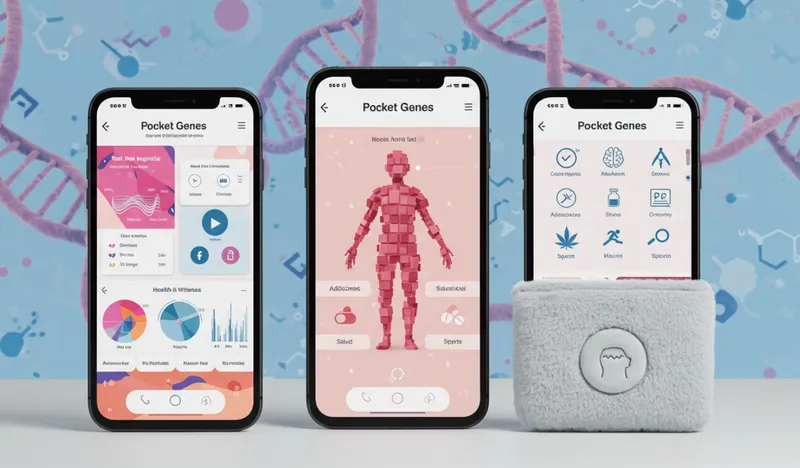
Families facing rare disease uncertainty often carry scattered reports, difficult terms, years of referrals, and few people who understand their experience. Pocket Genes is built around organizing that path.
The human problem
In rare disease, a family may pass through pediatricians, specialists, labs, panel tests, exomes, second opinions, and reports that do not speak the same language. The result is a folder full of data, but limited practical clarity.
Pocket Genes proposes an experience where genetic information becomes traceable: what was tested, why it was ordered, which variants were reported, what terms mean, and which topics should be reviewed with professionals.
The product should speak less about genetic curiosity and more about orientation, continuity, and support.
Separate included genes, covered regions, reported variants, and possible limitations of the test.
Prepare questions about inheritance, relatives, new genetic testing, reanalysis, counseling, and follow-up.
Surface associations, registries, reference centers, guides, and educational material related to the condition.
Create pathways to find people, families, and communities with compatible experiences.
From chaos to continuity
The value is not only showing a result. It is being able to reconstruct the story: symptoms, tests, panels, findings, questions, appointments, and next steps.
Track report versions and keep visible when a result may need to be revisited.
Save topics to discuss with specialists instead of depending on memory or scattered messages.
Organize relevant information about inheritance, carrier status, and family history.
Rare disease as mission
For many rare diseases, finding another person with a similar variant, condition, or path can change the entire experience.
Make it easier to find organizations and databases already working with each condition.
Help locate reference resources to better orient the next medical conversation.
Enable responsible connections based on diagnoses, variants, symptoms, or shared questions.
Support without entering the medical act
The goal is for a family to arrive at the next conversation with more order, better questions, and less mental load.